

Dump Trailer vs. Roll-off Dumpster: A Neighbor-Friendly Narrative
Choosing the Right Option for Your Project
Planning a big cleanout, landscaping refresh, or remodel in Butte County brings one practical question to the front: how do you handle all the debris without damaging your driveway or upsetting the neighbors? Traditionally, the answer has been a roll-off dumpster. Lately, though, dump trailers have stepped in as a flexible, lower-profile alternative that often fits residential projects better.
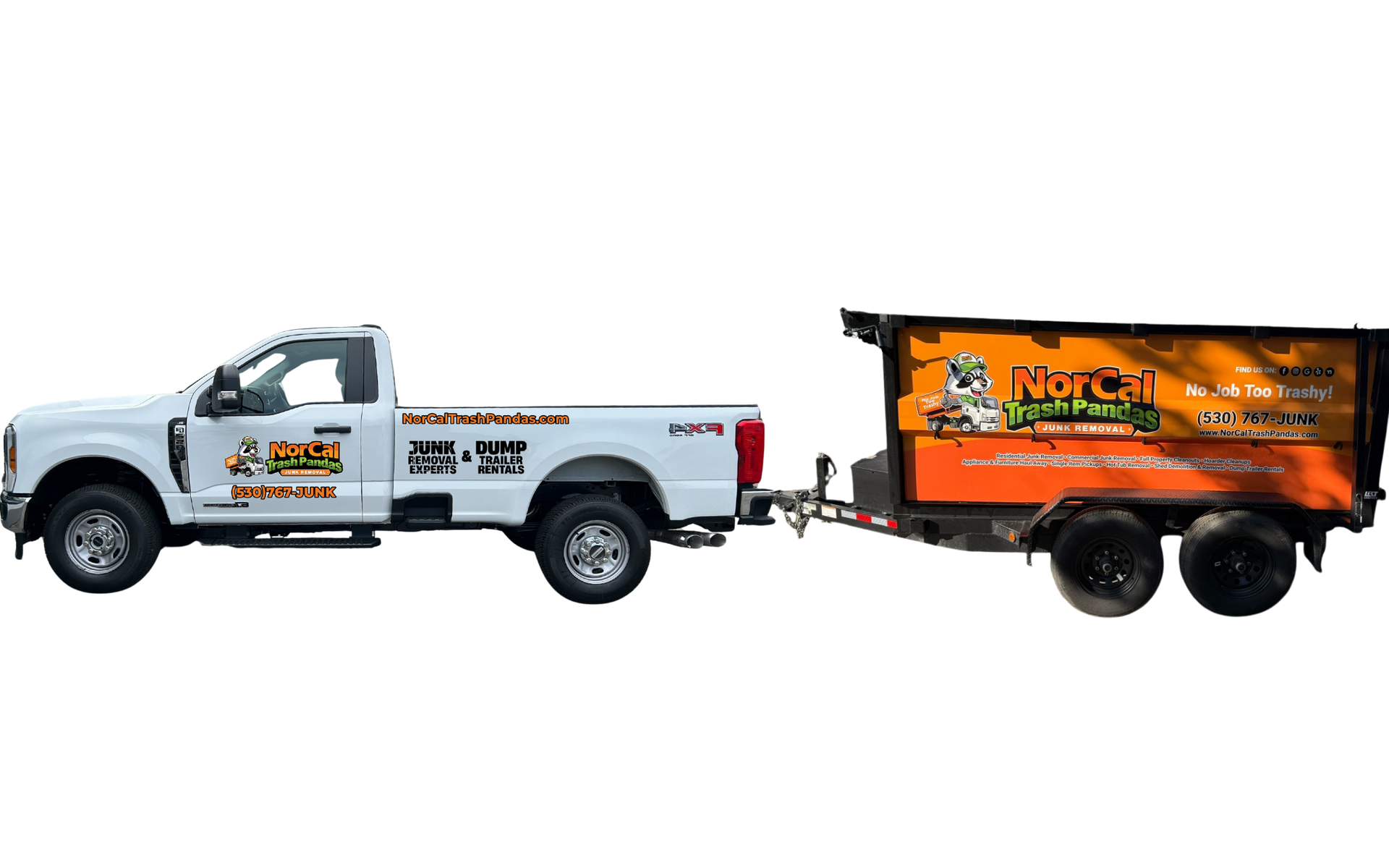
A roll-off dumpster is a heavy steel box that’s dropped directly onto your driveway. Even when crews place wooden planks underneath, the weight and the rolling motion can leave scratches, cracks, or ruts in asphalt and concrete. It’s a workhorse solution for truly massive jobs, but it can be tough on your property and space. Dump trailers, by contrast, move on heavy-duty rubber tires that spread the load more evenly. They roll in and out without grinding into the surface, making them a kinder choice for new driveways and homes where curb appeal matters.
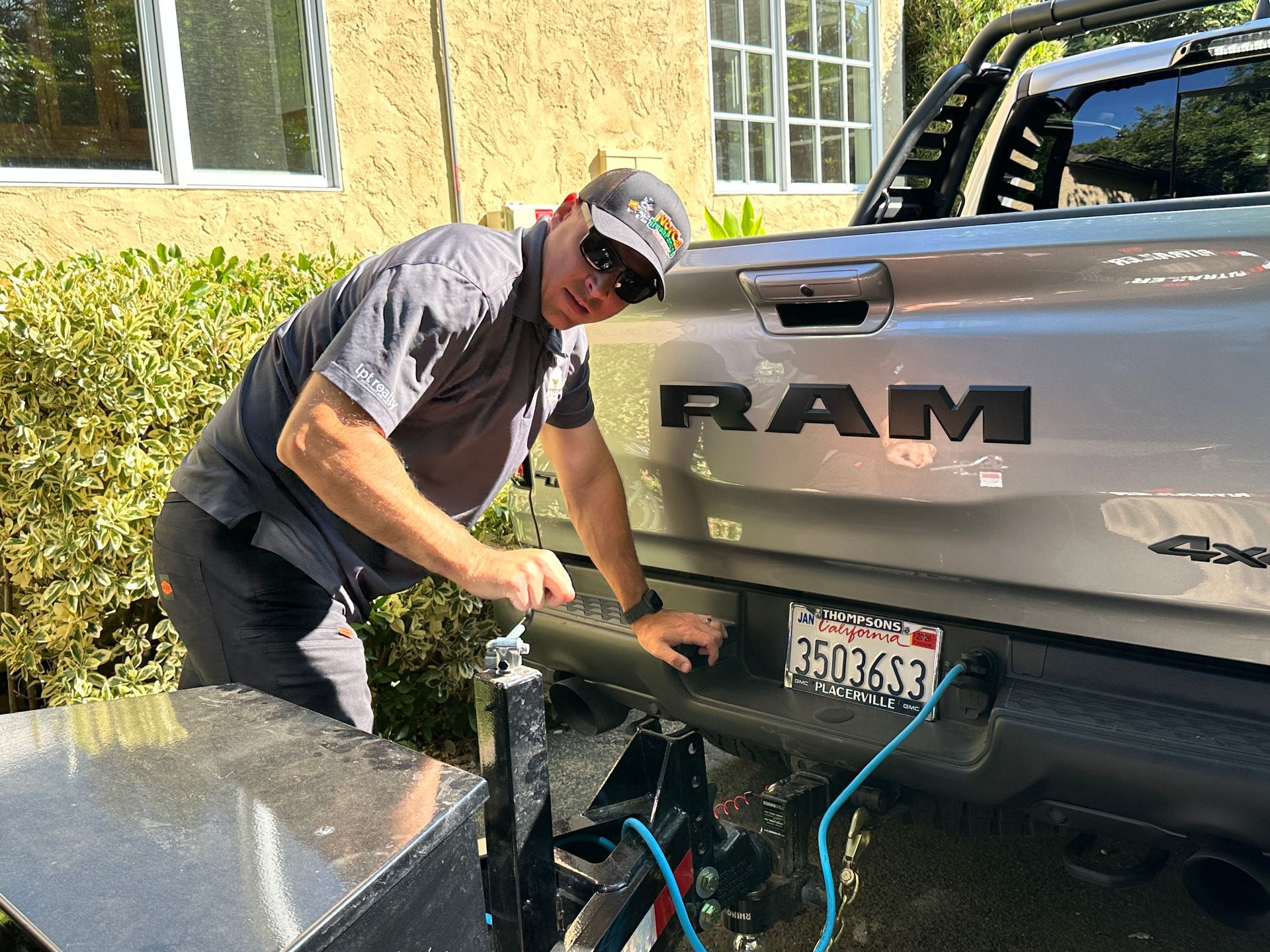
Placement is another practical difference you notice immediately. Dumpster trucks are large and need clear vertical and horizontal space to set the bin down, which often means the container ends up blocking your garage or crowding your sidewalk. Because dump trailers are towed by a heavy-duty pickup, they can be backed into tighter spots, tucked closer to the work area, or set on softer ground like grass or compacted dirt where a large dumpster truck might sink or get stuck. That extra maneuverability turns into real convenience during a busy project week.
Neighborhood fit also matters more than people expect. A big metal box sitting in the driveway for days isn’t exactly subtle. Many HOAs in Chico limit how long dumpsters can remain or require permits if a bin sits on the street. Dump trailers look more like professional equipment than a trash bin; they’re lower-profile and often avoid the permit hurdles that come with street placement. If you’re working in a community with tighter rules—or you simply prefer a cleaner look—a trailer tends to blend in better.
Loading becomes a daily routine once the project gets going, and this is where dump trailers often feel more humane. Standard dumpsters have high walls, which means lifting heavy items overhead repeatedly. Trailers typically sit lower and include rear barn doors, so you can walk bulky items like old sofas, appliances, and construction debris straight inside. Over time, that difference can save your back and energy.
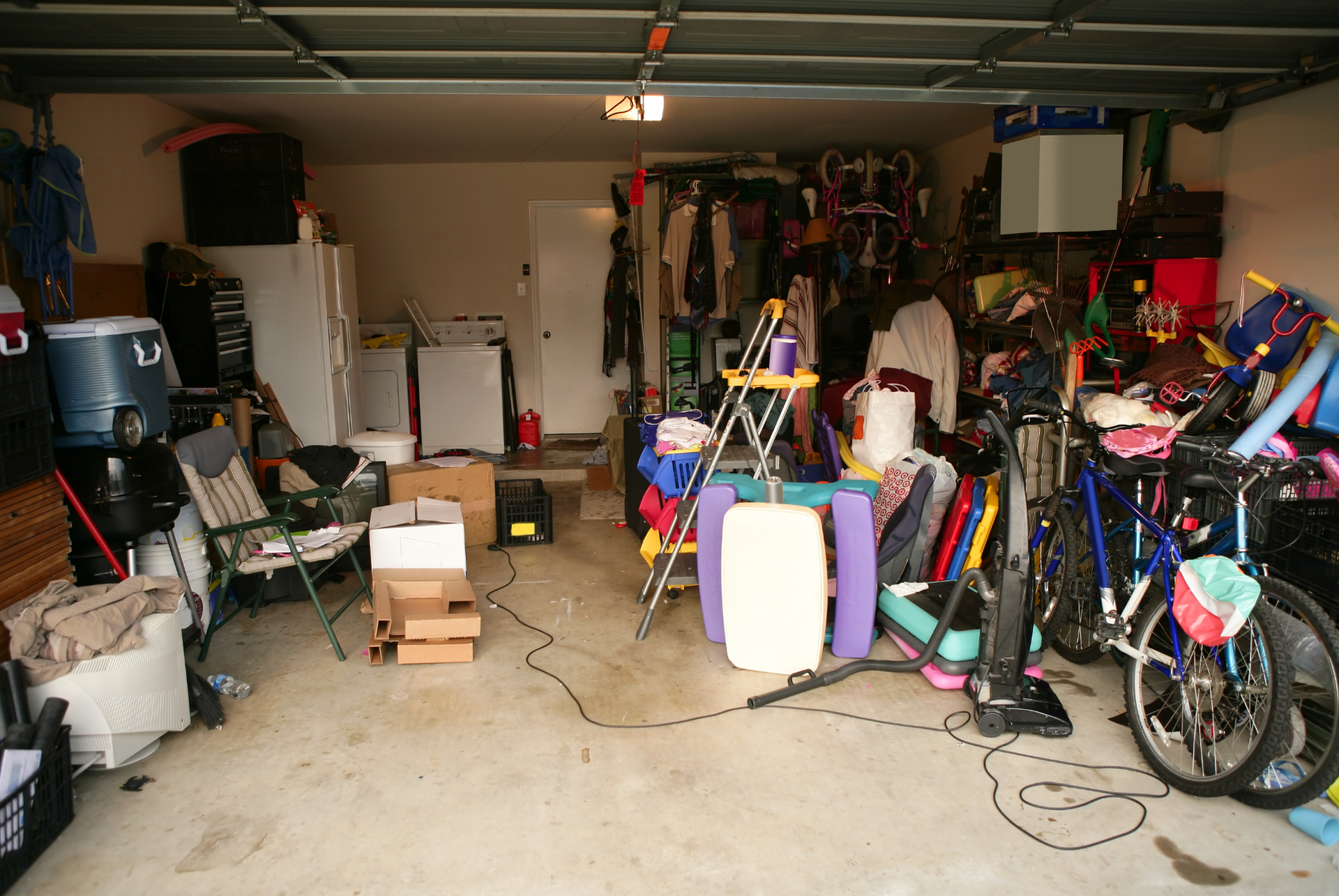
Cost becomes the final deciding point for many homeowners. If your project won’t fill an industrial 40-yard dumpster, you might end up paying to haul empty space. For most small to medium residential jobs in Butte County—a garage cleanout, a bathroom tear-out, yard debris from a landscaping overhaul—a dump trailer offers plenty of capacity without the oversized price tag attached to roll-offs built for major demolition.
So which should you choose? If you’re managing a large commercial demo or a full roof tear-off with extremely heavy debris, the roll-off dumpster still earns its place. If you’re a homeowner or small contractor who wants to protect a driveway, needs flexible placement in tighter areas, and prefers easier loading, a dump trailer is likely the better fit.
If you’re ready to get started, we offer driveway-safe dump trailer rentals across Chico and the surrounding areas. Tell us what you’re working on, and we’ll recommend the right size and place it exactly where it helps you most—so you can focus on the project, not the mess.
Recent Posts