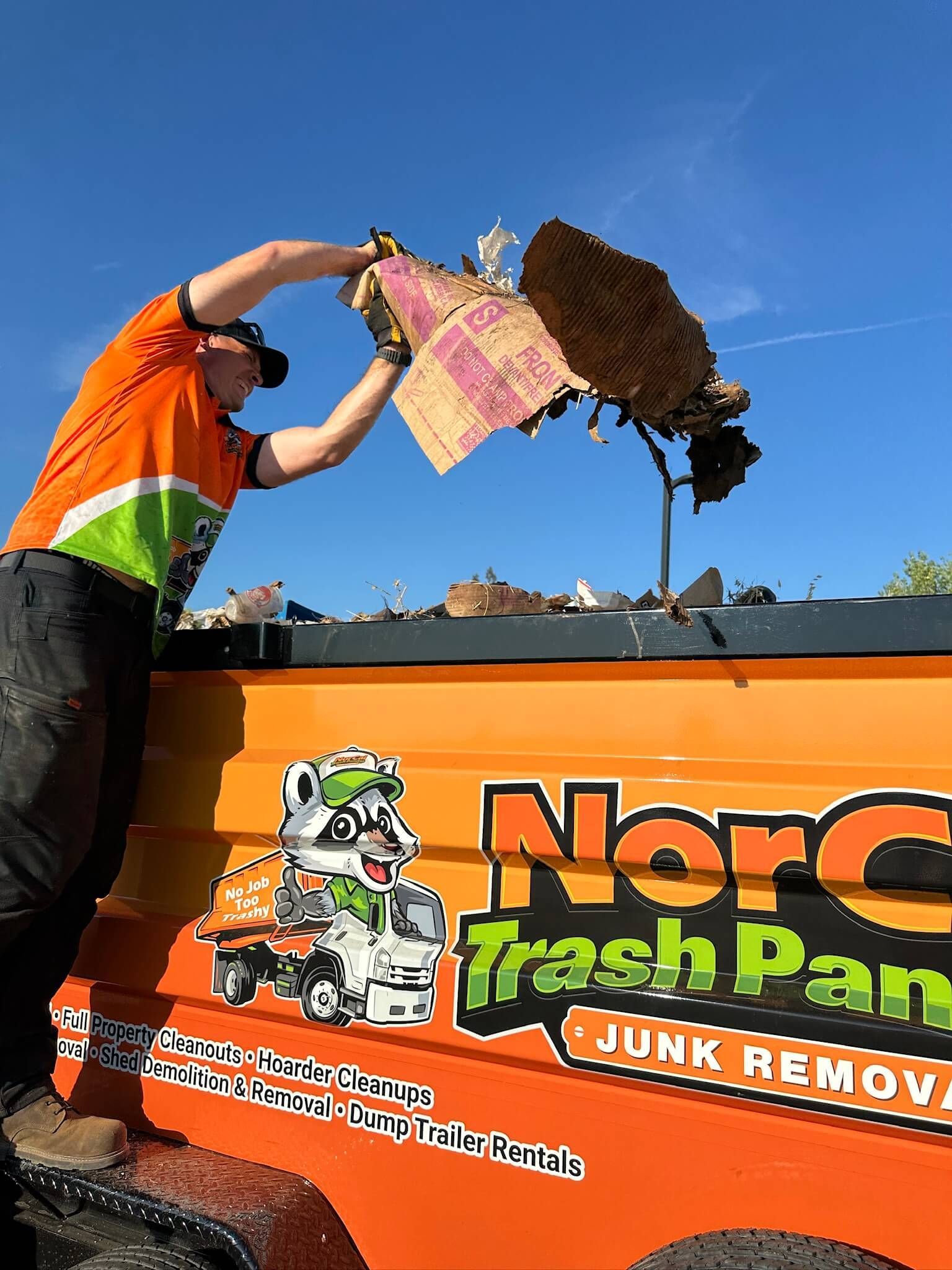
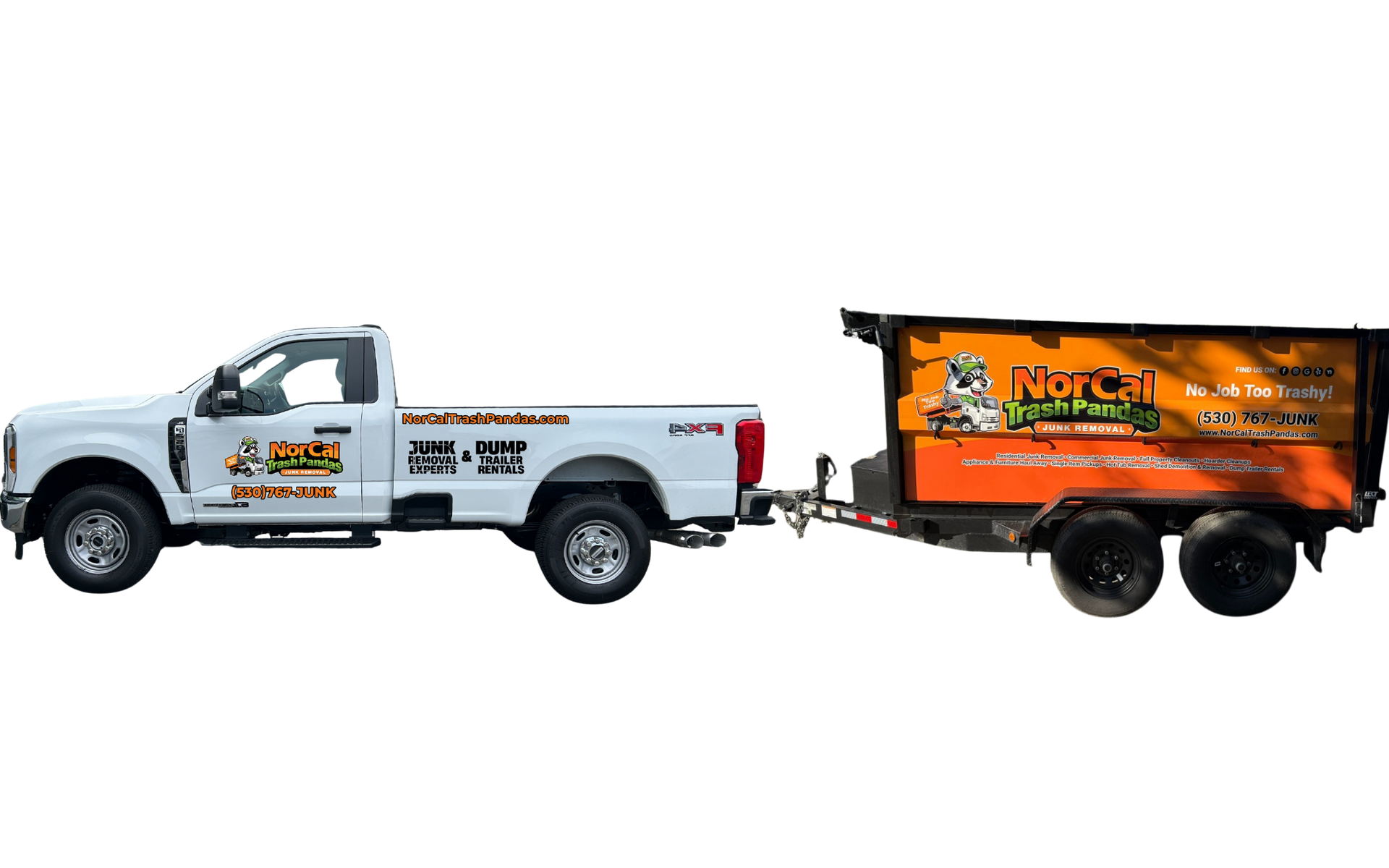
Construction projects—whether handled by professional contractors or DIY renovators—inevitably create debris. From broken drywall and wood scraps to concrete chunks and packaging materials, waste can quickly pile up on a job site. Without proper management, construction debris becomes more than just an inconvenience—it can create serious safety hazards and slow down project progress.
Professional construction debris removal helps maintain a safer, more organized job site while ensuring materials are disposed of in compliance with local regulations.
Why Construction Debris Removal Matters
Keeping a job site clean is essential for both safety and efficiency. Construction waste scattered across the workspace increases the risk of accidents, such as slips, trips, and falls. Sharp materials like nails, metal scraps, and broken glass can easily cause injuries if not handled properly.
Beyond safety concerns, cluttered workspaces make it harder for crews to move materials, tools, and equipment efficiently. This can lead to delays, frustration, and unnecessary downtime.
Professional debris removal services help eliminate these issues by keeping the job site clear and organized throughout the project.
Common Types of Construction Debris
Both contractors and DIY renovators deal with a wide range of materials during construction or renovation projects. Some of the most common types of debris include:
- Drywall and plaster
- Wood scraps and lumber
- Concrete, brick, and masonry
- Roofing shingles
- Tile and flooring materials
- Packaging materials and cardboard
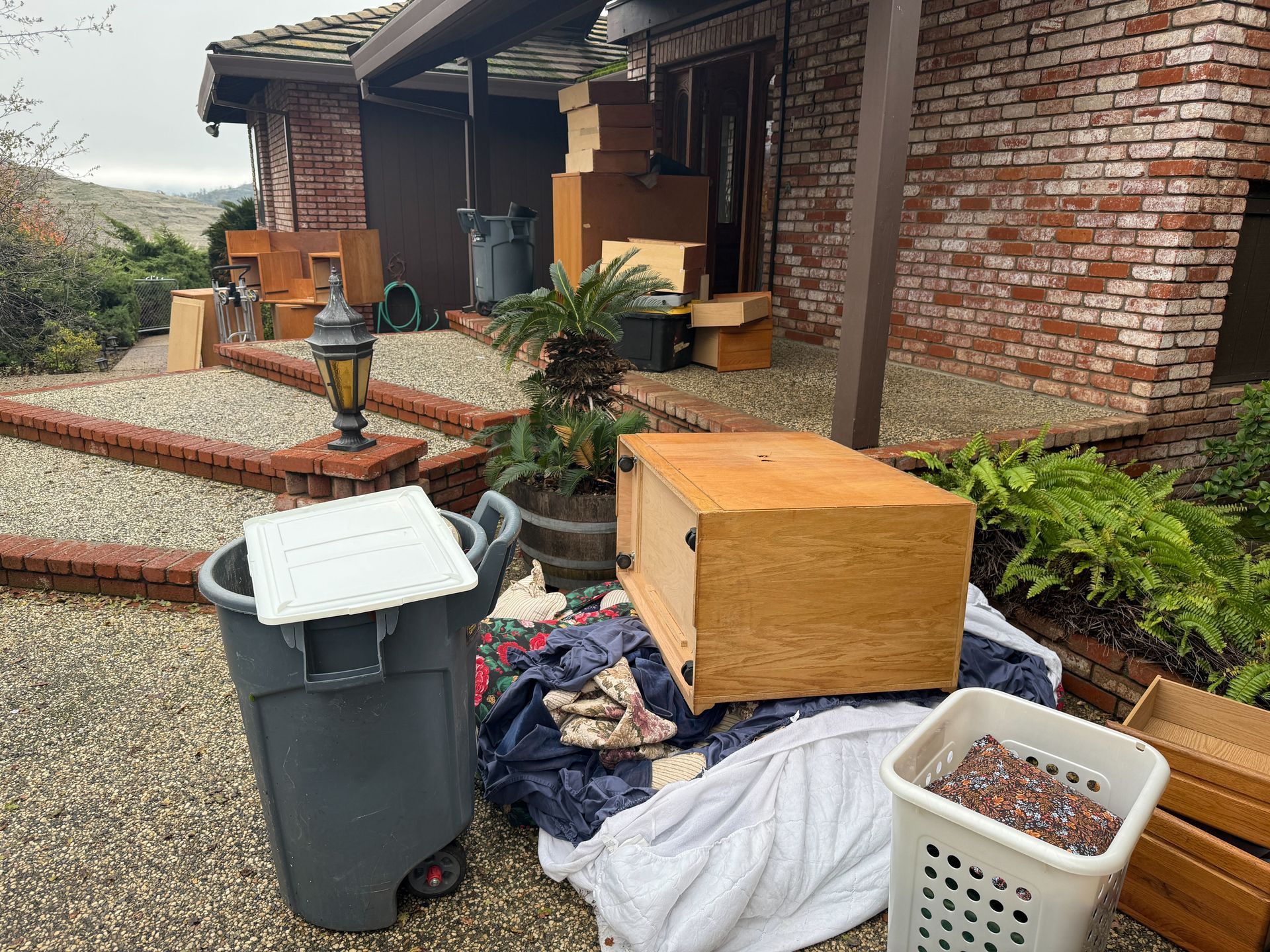
- Old cabinets, fixtures, and demolition debris
Managing these materials properly is important to prevent hazards and maintain compliance with local waste disposal regulations.
Safety Benefits of Professional Debris Removal
Removing debris regularly prevents hazards like loose nails, sharp edges, and unstable piles of materials.
- Improved Site Organization
Clean job sites allow workers to move around freely and safely, improving productivity and workflow.
- Proper Handling of Heavy Materials
Construction debris often includes heavy materials like concrete and large wood pieces. Professional crews have the equipment and experience to remove these items safely.
- Consistent Cleanup During Projects
Rather than letting debris accumulate, scheduled removal keeps the site clear throughout each stage of construction.
Staying Compliant with Local Disposal Regulations
Many municipalities have strict rules regarding how construction debris must be disposed of. Certain materials cannot simply be thrown away in standard trash bins, and some items require specialized handling or recycling.
Professional debris removal services understand local disposal regulations and ensure materials are taken to the proper recycling or waste facilities. This helps contractors and homeowners avoid potential fines or compliance issues.
When to Schedule Debris Removal
Construction debris removal can be scheduled at different stages depending on the size and scope of the project:
During demolition phases when debris builds up quickly- Mid-project cleanups to keep the workspace organized
- Final job site cleanouts after construction is complete
- Many contractors also schedule recurring pickups for larger projects to maintain consistent job site safety.
A Smarter Way to Manage Construction Waste
Construction projects run smoother when the worksite stays clean and organized. Professional construction debris removal allows contractors and DIY renovators to focus on the job itself instead of worrying about waste management.
By maintaining a clear job site, reducing safety risks, and ensuring proper disposal, debris removal services play an important role in keeping construction projects efficient, compliant, and safe.